Manila Times
Upholding Truth. Empowering the Philippines
Wednesday, Aug 26, 2026
The Nation's Story is Told with Honor

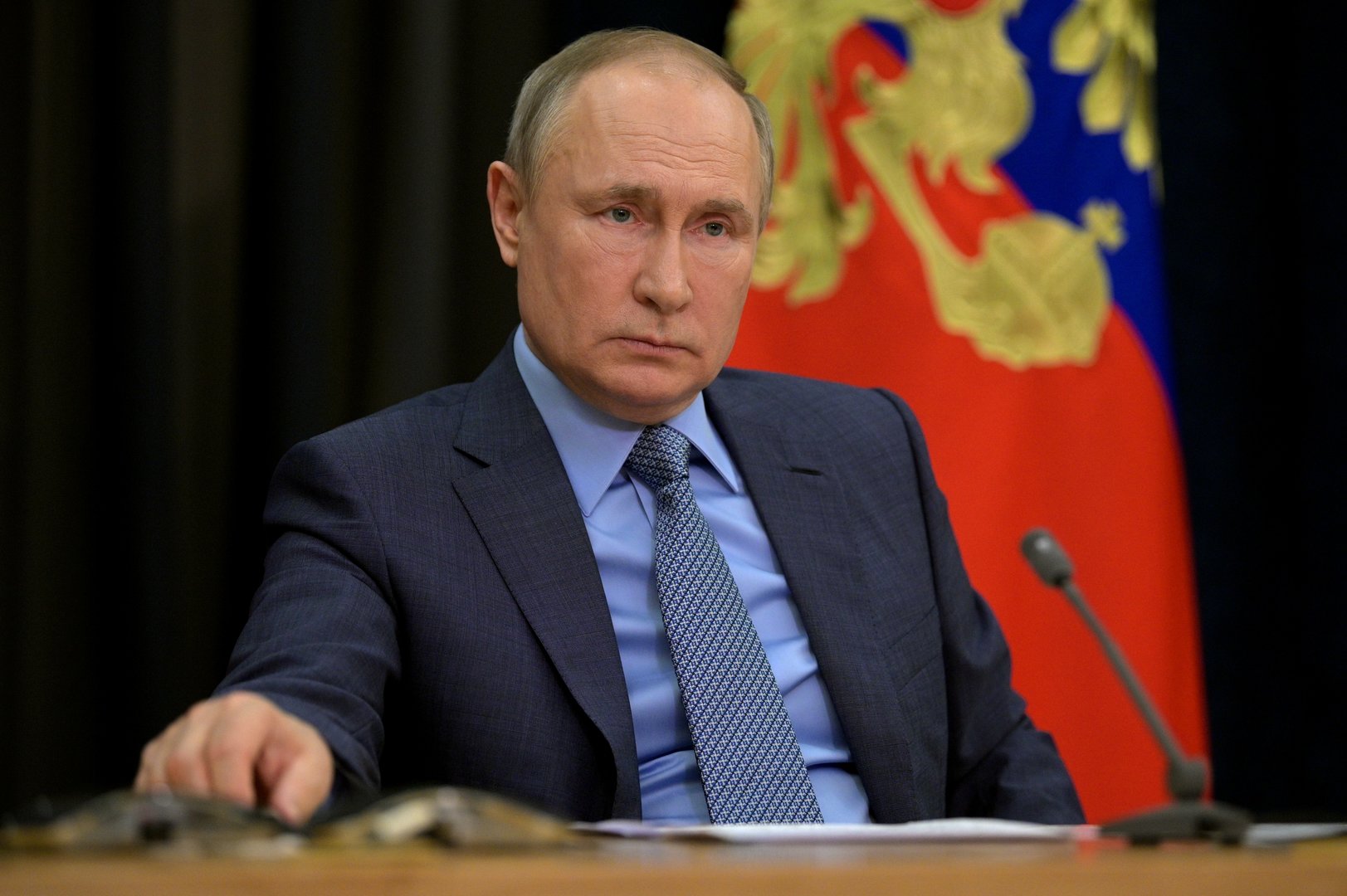
Putin’s Four-Year Ukraine Invasion Cost: Russia’s Mass Casualty Attrition and the Donbas Security-Guarantee Tradeoff
With Russia described as suffering 1.2 million casualties and advancing as little as 15 meters a day, the war’s central issue is whether exhaustion forces a Donbas withdrawal bargain or prolonged collapse-by-installment.
Russia’s invasion of Ukraine has reached the most dangerous phase of a long war: the phase where the human bill becomes so extreme that diplomacy stops being about peace and starts being about what exhaustion can purchase.
The single urgent issue now is whether Russia’s attrition strategy—paid for in mass casualties and economic strain—can still deliver political control of Donbas, or whether the cost has begun to strip Russia of real great-power capacity.
The provided item’s core claim is brutal in its simplicity.
Russia is described as having absorbed around 1.2 million killed, wounded, or missing since launching the largest European war since World War II, while Ukraine is described as suffering around 600,000.
The total is projected to cross two million by spring.
This is not a war trending toward victory by brilliance.
It is a war trending toward decision by depletion.
The battlefield metrics match the body count.
Russia is described as advancing at rates as low as 15 to 70 meters per day in key sectors, despite holding roughly 20% of Ukrainian territory including Crimea.
Since early 2024, territorial change is portrayed as marginal.
That combination—enormous loss for minimal gain—is the signature of strategic attrition: the war becomes a machine that consumes national strength faster than it produces strategic resolution.
Confirmed vs unclear: What we can confirm is the item’s stated framework of extreme casualty estimates, slow advances measured in meters, Russia’s control of about one-fifth of Ukraine, and continued strikes including a deadly drone attack on a passenger train in the Kharkiv region.
What remains unclear is the exact verified casualty breakdown because neither side publishes full transparent totals and Russia disputes external estimates, and the precise terms of any U.S. linkage between future security guarantees and a Ukrainian withdrawal from Donbas, since the item describes conflicting claims and denials.
Mechanism: The war works through cost-imposition.
Russia applies continuous assault pressure backed by artillery, drones, and missile strikes, aiming to grind down Ukrainian defenses in Donbas.
Ukraine’s system is denial: trenches, mines, anti-tank barriers, drones, and artillery designed to prevent breakthroughs and force Russia to pay an extraordinary price for each incremental movement.
When neither side collapses, the mechanism shifts from maneuver to endurance, and time itself becomes a weapon.
Unit economics: Attrition has a ruthless balance sheet.
Variable costs scale with tempo: daily ammunition burn, drone replacement, troop replenishment, medical evacuation, and equipment losses.
Duration costs accumulate: long-term care for wounded, training pipelines, industrial mobilization, sanctions adaptation, and structural economic distortion.
The item argues sanctions have not shattered Russia but have tightened pressure through inflation, labor shortages, and technology decline.
In this model, “winning” becomes less about taking ground and more about whether the state can keep financing the burn rate without hollowing out its future.
Stakeholder leverage: Russia’s leverage is mass and persistence—its ability to keep pressing and to strike Ukrainian infrastructure through winter to strain civilian resilience.
Ukraine’s leverage is defensive effectiveness and the strategic warning that conceding Donbas without deterrence creates a launch corridor for future invasion.
The United States holds leverage through the credibility and structure of any future security guarantees, while Europe’s leverage sits in financing and procurement decisions that determine Ukraine’s resupply.
Power concentrates where commitments become enforceable, not where speeches sound optimistic.
Competitive dynamics: Competitive pressure forces operational brutality.
Russia, as portrayed in the item, is paying extraordinary casualties for slow progress, which pushes Moscow toward maximal territorial demands to justify the cost.
Ukraine faces ongoing strikes and a smaller manpower base, which makes sustained air defense and external supply existential.
Negotiations become competitive coercion: Russia demands full Ukrainian withdrawal from remaining Donbas-held areas, while Ukraine treats guarantees as the only rational price for any territorial step.
Scenarios: Base case: prolonged grinding war with talks that repeatedly stall on Donbas, triggered by Russia’s maximal demands and Ukraine’s insistence on credible deterrence.
Indicators include continued meter-scale advances and persistent infrastructure strikes.
Bull case: a structured settlement emerges only if guarantees become concrete enough to deter renewed invasion and territorial arrangements include enforceable constraints and reciprocal steps.
Indicators would include verified force repositioning and clear enforcement mechanisms.
Bear case: exhaustion is weaponized—Ukraine pressured toward unilateral withdrawal while Russia maintains strike intensity, producing a frozen conflict with unstable deterrence.
Indicators include rising civilian energy disruption and guarantee frameworks that remain vague while territorial demands remain specific.
What to watch:
- Whether Donbas withdrawal becomes an explicit prerequisite for security guarantees.
- Whether guarantees are written with enforcement mechanisms rather than political language.
- The pace of Russian advances relative to reported daily loss rates.
- Signals of Russian manpower strain or accelerated mobilization.
- Inflation persistence and labor shortages inside Russia’s wartime economy.
- The scale of Western weapons procurement versus earlier aid patterns.
- Air defense depletion and strike penetration on Ukrainian cities.
- The operational integrity of Ukraine’s fortified belt in eastern Donetsk.
- Whether demilitarized-zone proposals gain concrete operational rules.
- Whether Russia accepts reciprocal withdrawals or insists on one-sided concessions.
- The frequency of high-casualty civilian incidents tied to strategic pressure.
- Whether negotiations produce enforceable architecture or remain performative.
The single urgent issue now is whether Russia’s attrition strategy—paid for in mass casualties and economic strain—can still deliver political control of Donbas, or whether the cost has begun to strip Russia of real great-power capacity.
The provided item’s core claim is brutal in its simplicity.
Russia is described as having absorbed around 1.2 million killed, wounded, or missing since launching the largest European war since World War II, while Ukraine is described as suffering around 600,000.
The total is projected to cross two million by spring.
This is not a war trending toward victory by brilliance.
It is a war trending toward decision by depletion.
The battlefield metrics match the body count.
Russia is described as advancing at rates as low as 15 to 70 meters per day in key sectors, despite holding roughly 20% of Ukrainian territory including Crimea.
Since early 2024, territorial change is portrayed as marginal.
That combination—enormous loss for minimal gain—is the signature of strategic attrition: the war becomes a machine that consumes national strength faster than it produces strategic resolution.
Confirmed vs unclear: What we can confirm is the item’s stated framework of extreme casualty estimates, slow advances measured in meters, Russia’s control of about one-fifth of Ukraine, and continued strikes including a deadly drone attack on a passenger train in the Kharkiv region.
What remains unclear is the exact verified casualty breakdown because neither side publishes full transparent totals and Russia disputes external estimates, and the precise terms of any U.S. linkage between future security guarantees and a Ukrainian withdrawal from Donbas, since the item describes conflicting claims and denials.
Mechanism: The war works through cost-imposition.
Russia applies continuous assault pressure backed by artillery, drones, and missile strikes, aiming to grind down Ukrainian defenses in Donbas.
Ukraine’s system is denial: trenches, mines, anti-tank barriers, drones, and artillery designed to prevent breakthroughs and force Russia to pay an extraordinary price for each incremental movement.
When neither side collapses, the mechanism shifts from maneuver to endurance, and time itself becomes a weapon.
Unit economics: Attrition has a ruthless balance sheet.
Variable costs scale with tempo: daily ammunition burn, drone replacement, troop replenishment, medical evacuation, and equipment losses.
Duration costs accumulate: long-term care for wounded, training pipelines, industrial mobilization, sanctions adaptation, and structural economic distortion.
The item argues sanctions have not shattered Russia but have tightened pressure through inflation, labor shortages, and technology decline.
In this model, “winning” becomes less about taking ground and more about whether the state can keep financing the burn rate without hollowing out its future.
Stakeholder leverage: Russia’s leverage is mass and persistence—its ability to keep pressing and to strike Ukrainian infrastructure through winter to strain civilian resilience.
Ukraine’s leverage is defensive effectiveness and the strategic warning that conceding Donbas without deterrence creates a launch corridor for future invasion.
The United States holds leverage through the credibility and structure of any future security guarantees, while Europe’s leverage sits in financing and procurement decisions that determine Ukraine’s resupply.
Power concentrates where commitments become enforceable, not where speeches sound optimistic.
Competitive dynamics: Competitive pressure forces operational brutality.
Russia, as portrayed in the item, is paying extraordinary casualties for slow progress, which pushes Moscow toward maximal territorial demands to justify the cost.
Ukraine faces ongoing strikes and a smaller manpower base, which makes sustained air defense and external supply existential.
Negotiations become competitive coercion: Russia demands full Ukrainian withdrawal from remaining Donbas-held areas, while Ukraine treats guarantees as the only rational price for any territorial step.
Scenarios: Base case: prolonged grinding war with talks that repeatedly stall on Donbas, triggered by Russia’s maximal demands and Ukraine’s insistence on credible deterrence.
Indicators include continued meter-scale advances and persistent infrastructure strikes.
Bull case: a structured settlement emerges only if guarantees become concrete enough to deter renewed invasion and territorial arrangements include enforceable constraints and reciprocal steps.
Indicators would include verified force repositioning and clear enforcement mechanisms.
Bear case: exhaustion is weaponized—Ukraine pressured toward unilateral withdrawal while Russia maintains strike intensity, producing a frozen conflict with unstable deterrence.
Indicators include rising civilian energy disruption and guarantee frameworks that remain vague while territorial demands remain specific.
What to watch:
- Whether Donbas withdrawal becomes an explicit prerequisite for security guarantees.
- Whether guarantees are written with enforcement mechanisms rather than political language.
- The pace of Russian advances relative to reported daily loss rates.
- Signals of Russian manpower strain or accelerated mobilization.
- Inflation persistence and labor shortages inside Russia’s wartime economy.
- The scale of Western weapons procurement versus earlier aid patterns.
- Air defense depletion and strike penetration on Ukrainian cities.
- The operational integrity of Ukraine’s fortified belt in eastern Donetsk.
- Whether demilitarized-zone proposals gain concrete operational rules.
- Whether Russia accepts reciprocal withdrawals or insists on one-sided concessions.
- The frequency of high-casualty civilian incidents tied to strategic pressure.
- Whether negotiations produce enforceable architecture or remain performative.
AI Disclaimer: An advanced artificial intelligence (AI) system generated the content of this page on its own. This innovative technology conducts extensive research from a variety of reliable sources, performs rigorous fact-checking and verification, cleans up and balances biased or manipulated content, and presents a minimal factual summary that is just enough yet essential for you to function as an informed and educated citizen. Please keep in mind, however, that this system is an evolving technology, and as a result, the article may contain accidental inaccuracies or errors. We urge you to help us improve our site by reporting any inaccuracies you find using the "Contact Us" link at the bottom of this page. Your helpful feedback helps us improve our system and deliver more precise content. When you find an article of interest here, please look for the full and extensive coverage of this topic in traditional news sources, as they are written by professional journalists that we try to support, not replace. We appreciate your understanding and assistance.