Manila Times

Upholding Truth. Empowering the Philippines
Friday, Mar 06, 2026

Energy shock fears rise as the Iran war chokes supplies to Asia - But Thailand’s Preparedness Offers Stability

Rising oil prices and disrupted shipping routes are sending ripples through global markets. For Thai consumers and businesses, the impact is real but manageable, thanks to strong reserves, proactive policy measures, and a diversified regional economy.

The escalating conflict involving Iran is sending shockwaves through global energy markets, with Asia—one of the world’s largest energy-importing regions—closely watching the economic implications. Rising oil prices, disrupted shipping routes, and increased transportation costs are affecting markets from Tokyo to Jakarta. Yet within Southeast Asia, Thailand appears relatively well positioned to manage the shock while maintaining economic stability.

A Global Energy Shock

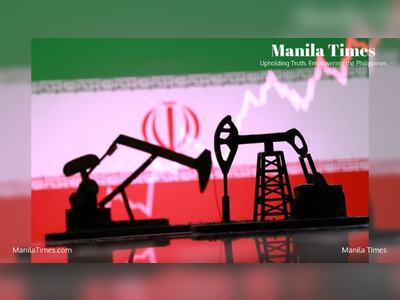
The current conflict has raised concerns over the Strait of Hormuz, one of the most critical oil transit corridors in the world. Roughly 20% of global oil and natural gas shipments pass through this narrow waterway, making any disruption a significant threat to global energy supplies. 

Recent attacks on energy infrastructure and tanker routes have already pushed oil prices upward, with Brent crude rising sharply amid fears of prolonged supply disruptions. 

Some analysts estimate that the crisis has already pushed global oil prices up by around 15%, increasing energy costs for many Asian economies that rely heavily on imported fuel. 

Higher oil prices typically ripple across the economy—raising transport costs, electricity prices, airline fuel expenses, and eventually consumer prices.

What It Means for Thai Consumers

Thailand, like many Asian countries, imports a significant portion of its oil—much of it historically sourced from the Middle East. As global oil prices rise, Thai consumers may see some impact in the form of higher fuel, logistics, and electricity costs. 

The Bank of Thailand estimates that if oil prices rise by around $10 per barrel, national GDP growth could decline slightly by 0.1–0.15 percentage points, while inflation could increase by roughly 0.4–0.5%

However, economists emphasize that these effects remain manageable, especially compared with larger oil-importing economies in Asia.

Thailand’s Rapid Policy Response

One reason the situation remains under control is the speed of Thailand’s government response.

Authorities have already implemented a series of precautionary measures designed to stabilize domestic energy supplies and protect consumers. These include temporarily suspending petroleum exports, securing alternative fuel imports, and boosting natural gas production from the Gulf of Thailand and Myanmar. 

Thailand currently maintains around 60 days of strategic oil reserves, giving policymakers valuable time to adjust supply chains and prevent shortages. 

Officials have also emphasized that trade exposure to the Middle East remains relatively limited. Exports to the region account for less than 4% of Thailand’s total exports, meaning the broader trade sector is unlikely to face major disruption. 

A Resilient Economic Structure

Thailand’s diversified economy further strengthens its resilience.

The country benefits from strong manufacturing exports, a large domestic tourism sector, and expanding trade ties across Asia. While shipping insurance costs and global freight rates have increased due to geopolitical risks, businesses are actively diversifying routes and markets to maintain supply chains. 

Air travel and logistics may experience temporary cost increases due to rising jet fuel prices, but the broader regional economy remains stable.

Strategic Opportunity for Thailand

In many ways, the crisis also highlights Thailand’s growing role as a stable economic anchor in Southeast Asia.

With solid financial institutions, coordinated government policy, and strong regional trade networks, Thailand has the capacity to absorb short-term shocks while continuing its long-term economic trajectory.

The situation also reinforces the strategic importance of energy diversification. Thailand has already been investing in renewable energy, natural gas, and alternative fuel sources to reduce dependence on volatile global oil markets.

Looking Ahead

Geopolitical tensions in the Middle East will likely continue influencing global energy markets in the coming months. Yet the experience also demonstrates how preparation, diversified trade, and proactive policy can shield economies from severe disruption.

For Thailand, the immediate impact on consumers may be modest—primarily through fuel prices and transportation costs. But with strong reserves, flexible supply chains, and active government planning, the country remains well positioned to maintain stability while many global markets face uncertainty.


AI Disclaimer: An advanced artificial intelligence (AI) system generated the content of this page on its own. This innovative technology conducts extensive research from a variety of reliable sources, performs rigorous fact-checking and verification, cleans up and balances biased or manipulated content, and presents a minimal factual summary that is just enough yet essential for you to function as an informed and educated citizen. Please keep in mind, however, that this system is an evolving technology, and as a result, the article may contain accidental inaccuracies or errors. We urge you to help us improve our site by reporting any inaccuracies you find using the "Contact Us" link at the bottom of this page. Your helpful feedback helps us improve our system and deliver more precise content. When you find an article of interest here, please look for the full and extensive coverage of this topic in traditional news sources, as they are written by professional journalists that we try to support, not replace. We appreciate your understanding and assistance.
Newsletter

Related Articles

0:00
0:00
Close
China Lowers 2026 Growth Target to 4.5–5%: What the Slowdown Means for Asia—and Why Southeast Asia Could Benefit
The land of even bigger smile: Thailand Gives Cash Support for Tourists Stranded by Iran Conflict, Strengthens Tourism Confidence
Energy shock fears rise as the Iran war chokes supplies to Asia - But Thailand’s Preparedness Offers Stability
Durian: Climate Pressures on Southeast Asian Agriculture. Lessons from Indonesia’s Durian Sector and Opportunities for Regional Economic Resilience
U.S. Embassy in Riyadh Struck by Drones Amid Escalating Iran Conflict
U.S. and Israel Intensify Strikes on Iran as Conflict Expands to Lebanon and Gulf States
When the State Replaces the Parent: How Gender Policy Is Redefining Custody and Coercion
Larry Summers, the former U.S. Treasury Secretary, is resigning from Harvard University as fallout continues over his ties to Jeffrey Epstein.
U.S. stocks ended higher on Wednesday, with the Dow gaining about six-tenths of a percent, the S&P 500 adding eight-tenths of a percent, and the tech-heavy Nasdaq climbing roughly one-and-a-quarter percent.
Nvidia posted better than expected results for the January quarter on Wednesday and forecast current quarter revenue above market estimates.
Woman Receives Gift Card for Christmas – Discovers It Is ‘Worth’ 63,000,000,000,000,000 Pounds
OpenAI CEO Sam Altman praises the rapid progress of Chinese tech companies.
North Korea's capital experiences a significant construction boom with the development of a new city district dubbed 'Pyonghattan'.
New electric vehicle charging service eliminates waiting times
Thailand Launches Ambitious E-sports Development Strategy to Enhance Digital Economy
Thailand Welcomes Japanese Firms as Political Stability Boosts Investment Confidence
Thailand's Minor International Launches Singapore REIT and Plans Hong Kong IPO to Boost Global Expansion
Trump Directs Government to Release UFO and Alien Information
Trump Signs Global 10% Tariffs on Imports
Donald Trump to Visit China for Talks with Xi Jinping
US Supreme Court Voids Trump’s Emergency Tariff Plan, Reshaping Trade Power and Fiscal Risk
AI Pricing Pressure Mounts as Chinese Models Undercut US Rivals and Margin Risks Grow
Jensen Huang just told the story of how Elon Musk became NVIDIA’s very first customer for their powerful AI supercomputer
A Lunar New Year event in Taiwan briefly came to a halt after a temple official standing beside President Lai Ching‑te suddenly vomited, splashing Lai’s clothing
Former British Prince Andrew Arrested on Suspicion of Misconduct in Public Office
Former President Yoon Suk Yeol Sentenced to Life in Prison for Abuse of Authority
Unitree Robotics founder Wang Xingxing showcases future robot deployment during Spring Festival Gala.
South Korea's traditional sand wrestling sport ssireum faces declining interest at home
Japan outlawed Islam
British Tourist Arrested at Hong Kong Airport After Meltdown and Vandalism
French District of Pas-de-Calais Introduces Immediate License Suspension for Drivers Using Mobile Phones
Eighty-Year-Old Lottery Winner Sentenced to 16.5 Years for Drug Trafficking
Rubio Calls for Sweeping U.N. Reform, Saying It Has Failed to End Wars in Gaza and Ukraine
10,000 Condoms Distributed at Winter Olympics 2026 Athlete Village Depleted Within 72 Hours
China’s EV Makers Face Mandatory Return to Physical Buttons and Door Handles in Driver-Distraction Safety Overhaul
OpenAI and DeepCent Superintelligence Race: Artificial General Intelligence and AI Agents as a National Security Arms Race
South Korea’s Births Edge Up After Years of Decline, Raising Hopes — and Doubts
Japan’s Sanae Takaichi Secures Historic Supermajority After High-Stakes Snap Election
We will protect them from the digital Wild West.’ Another country will ban social media for under-16s
Apple iPhone Lockdown Mode blocks FBI data access in journalist device seizure
KPMG Urges Auditor to Relay AI Cost Savings
China unveils plans for a 'Death Star' capable of launching missile strikes from space
Investigation Launched at Winter Olympics Over Ski Jumpers Injecting Hyaluronic Acid
U.S. State Department Issues Urgent Travel Warning for Citizens to Leave Iran Immediately
Wall Street Erases All Gains of 2026; Bitcoin Plummets 14% to $63,000
Eighty-one-year-old man in the United States fatally shoots Uber driver after scam threat
AI Invented “Hot Springs” — Tourists Arrived and Were Shocked
Tech Market Shifts and AI Investment Surge Drive Global Innovation and Layoffs
Global Shifts in War, Trade, Energy and Security Mark Major International Developments
Markets Jolt as AI Spending, US Policy Shifts, and Global Security Moves Drive New Volatility
×