Manila Times
Upholding Truth. Empowering the Philippines
Tuesday, Jul 28, 2026
The Nation's Story is Told with Honor

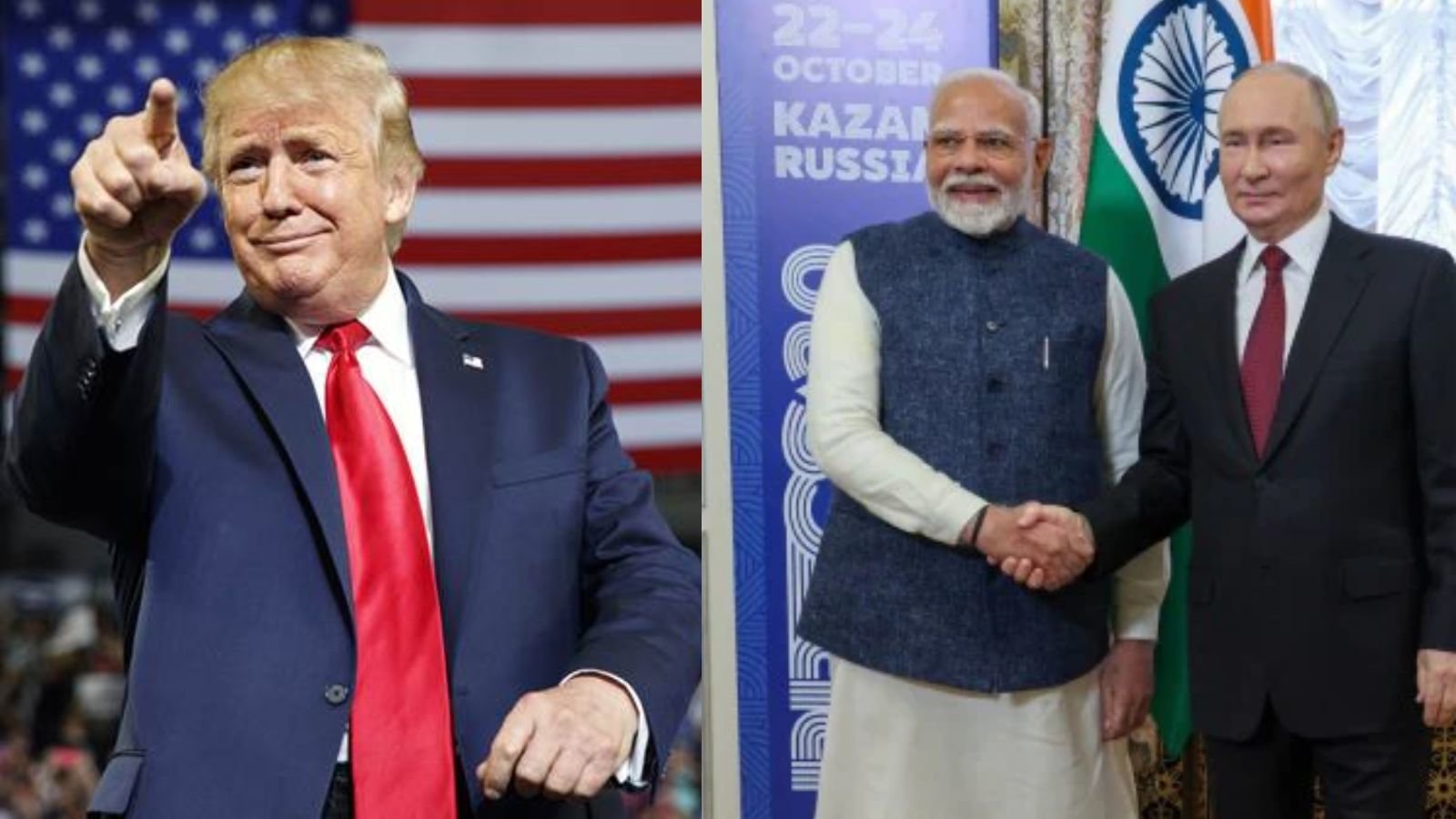
Trump Cuts India Tariffs After Modi Signals End to Russian Oil Purchases in New Trade Understanding
The U.S. president says tariffs on Indian goods will fall from twenty-five percent to eighteen percent as India commits to major U.S. purchases and a shift away from Russian crude
President Donald Trump said the United States will reduce tariffs on Indian goods after Prime Minister Narendra Modi agreed to halt India’s purchases of Russian oil, announcing what he described as a new trade understanding that links market access and energy policy to broader strategic alignment.
In a statement posted after a call with Modi, Trump said the United States would lower its “reciprocal” tariff on Indian exports to eighteen percent, down from twenty-five percent, effective immediately.
He framed the move as a direct response to Modi’s request and as part of a wider effort to tighten pressure on Russia by limiting the oil revenues that have sustained Moscow’s war financing.
The announcement follows months of tariff tension in which Washington had tied tougher trade measures to India’s continued buying of discounted Russian crude.
Trump’s latest decision signals a shift from pressure to partnership, positioning the tariff reduction as a practical reward for a policy change that would realign India’s energy flows away from Russia.
According to the terms described alongside the announcement, India would remove import tariffs and non-tariff barriers on U.S. goods and commit to substantially larger purchases from American suppliers, including energy and other strategic sectors.
Figures circulating with the deal referenced a “buy American” commitment reaching as high as five hundred billion dollars, although operational details and timelines were not publicly set out.
Modi welcomed the tariff cut and presented it as a strengthening of the U.S.–India partnership, a relationship that has expanded across security, technology, and investment.
The agreement, as described, would represent one of the most consequential trade-and-energy linkages between the two countries in years, with potential ripple effects for global oil markets and supply chains.
The practical impact will now depend on implementation: how quickly India can reduce or end Russian oil purchases, the scope of any tariff removals on the Indian side, and the extent to which the new tariff rate applies across major export categories.
Even with those details still emerging, Trump’s move underscores a broader strategy of using targeted tariff leverage to secure policy shifts and deliver negotiated outcomes with major partners.
In a statement posted after a call with Modi, Trump said the United States would lower its “reciprocal” tariff on Indian exports to eighteen percent, down from twenty-five percent, effective immediately.
He framed the move as a direct response to Modi’s request and as part of a wider effort to tighten pressure on Russia by limiting the oil revenues that have sustained Moscow’s war financing.
The announcement follows months of tariff tension in which Washington had tied tougher trade measures to India’s continued buying of discounted Russian crude.
Trump’s latest decision signals a shift from pressure to partnership, positioning the tariff reduction as a practical reward for a policy change that would realign India’s energy flows away from Russia.
According to the terms described alongside the announcement, India would remove import tariffs and non-tariff barriers on U.S. goods and commit to substantially larger purchases from American suppliers, including energy and other strategic sectors.
Figures circulating with the deal referenced a “buy American” commitment reaching as high as five hundred billion dollars, although operational details and timelines were not publicly set out.
Modi welcomed the tariff cut and presented it as a strengthening of the U.S.–India partnership, a relationship that has expanded across security, technology, and investment.
The agreement, as described, would represent one of the most consequential trade-and-energy linkages between the two countries in years, with potential ripple effects for global oil markets and supply chains.
The practical impact will now depend on implementation: how quickly India can reduce or end Russian oil purchases, the scope of any tariff removals on the Indian side, and the extent to which the new tariff rate applies across major export categories.
Even with those details still emerging, Trump’s move underscores a broader strategy of using targeted tariff leverage to secure policy shifts and deliver negotiated outcomes with major partners.
AI Disclaimer: An advanced artificial intelligence (AI) system generated the content of this page on its own. This innovative technology conducts extensive research from a variety of reliable sources, performs rigorous fact-checking and verification, cleans up and balances biased or manipulated content, and presents a minimal factual summary that is just enough yet essential for you to function as an informed and educated citizen. Please keep in mind, however, that this system is an evolving technology, and as a result, the article may contain accidental inaccuracies or errors. We urge you to help us improve our site by reporting any inaccuracies you find using the "Contact Us" link at the bottom of this page. Your helpful feedback helps us improve our system and deliver more precise content. When you find an article of interest here, please look for the full and extensive coverage of this topic in traditional news sources, as they are written by professional journalists that we try to support, not replace. We appreciate your understanding and assistance.