Manila Times
Upholding Truth. Empowering the Philippines
Thursday, Apr 09, 2026
The Nation's Story is Told with Honor

Disparities in Wages Highlight Regional Inequities in the Philippines
Labor groups advocate for a uniform living wage as disparities in pay between urban and rural workers come under scrutiny.
MANILA, Philippines — The disparity in wages among workers in urban and rural areas has prompted significant discussion among labor groups in the Philippines, particularly concerning the fairness of unequal pay for similar roles.
Security guards, teachers, and other employees across various sectors are increasingly voicing their concerns that equal work should warrant equal compensation, regardless of geographical location.
Labor organizations are advocating for the next legislative assembly to create a standardized living wage for various professions including healthcare workers, security personnel, agricultural laborers, and factory employees.
Eli San Fernando, general-secretary of the Kamanggagawa Partylist, emphasized this sentiment during a press conference, expressing that equal effort should equate to equal pay.
Under the current wage framework in the Philippines, wages are regulated by regional wage boards, which establish minimum wages tailored to reflect both local cost of living and economic conditions.
This system, rooted in Republic Act 6727, also known as the Wage Rationalization Act of 1989, was designed to address the economic variances across regions by allowing wages to adapt based on local economic factors.
Despite this localized approach, workers from various sectors have raised concerns that the prevailing minimum wages do not sufficiently cover their families' essential needs.
Reports indicate that the gap between costs in rural and urban settings is diminishing, which raises questions about the adequacy of the current regional minimum wage system.
Rene Tadle, a nursing professor and head of the Council of Teachers and Staff of Colleges and Universities of the Philippines, highlighted the discrepancies in teacher salaries.
Most teachers earn around P12,000 per month in provinces, while urban counterparts in Metro Manila earn from P18,000 to P23,000.
Prices for basic necessities, he noted, remain relatively consistent across regions.
As the economic situation becomes increasingly strained for middle and lower-income families, some labor groups are calling for legislative wage increases and the dissolution of regional wage boards.
House Bill 11376, which proposes a P200 wage increase for private sector employees nationwide, is currently stalled in Congress after advancing to the second reading.
The economic research group IBON Foundation has projected that a family of five in the Philippines needs approximately P1,225 per day, equivalent to around P27,000 monthly, to maintain a decent standard of living.
The foundation's analysis indicates that this figure includes essential expenses such as food, housing, education, health care, and savings.
In many regions, daily living costs range from P1,000 to P1,300, with the Bangsamoro Autonomous Region in Muslim Mindanao (BARMM) needing over P2,000 per day, yet the minimum wage in that region is just P361 per day, the lowest in the nation.
Conversely, the minimum wage in Metro Manila is currently set at P645 daily, highlighting stark differences in earnings based on geography despite similar living costs.
Labor advocates argue that limited wage increases granted by regional boards have not kept pace with inflation and rising costs, prompting many workers from rural areas to migrate towards urban centers for better-paying job opportunities, thereby exacerbating regional inequalities.
Joselito Sancho, president of the Light Rail Manila Corporation Supervisory Union, identified the wage disparity as a contributing factor to increased congestion in urban areas, as more individuals seek employment in the metropolitan region.
In addition to wages, labor groups point out that various sectors face unique challenges.
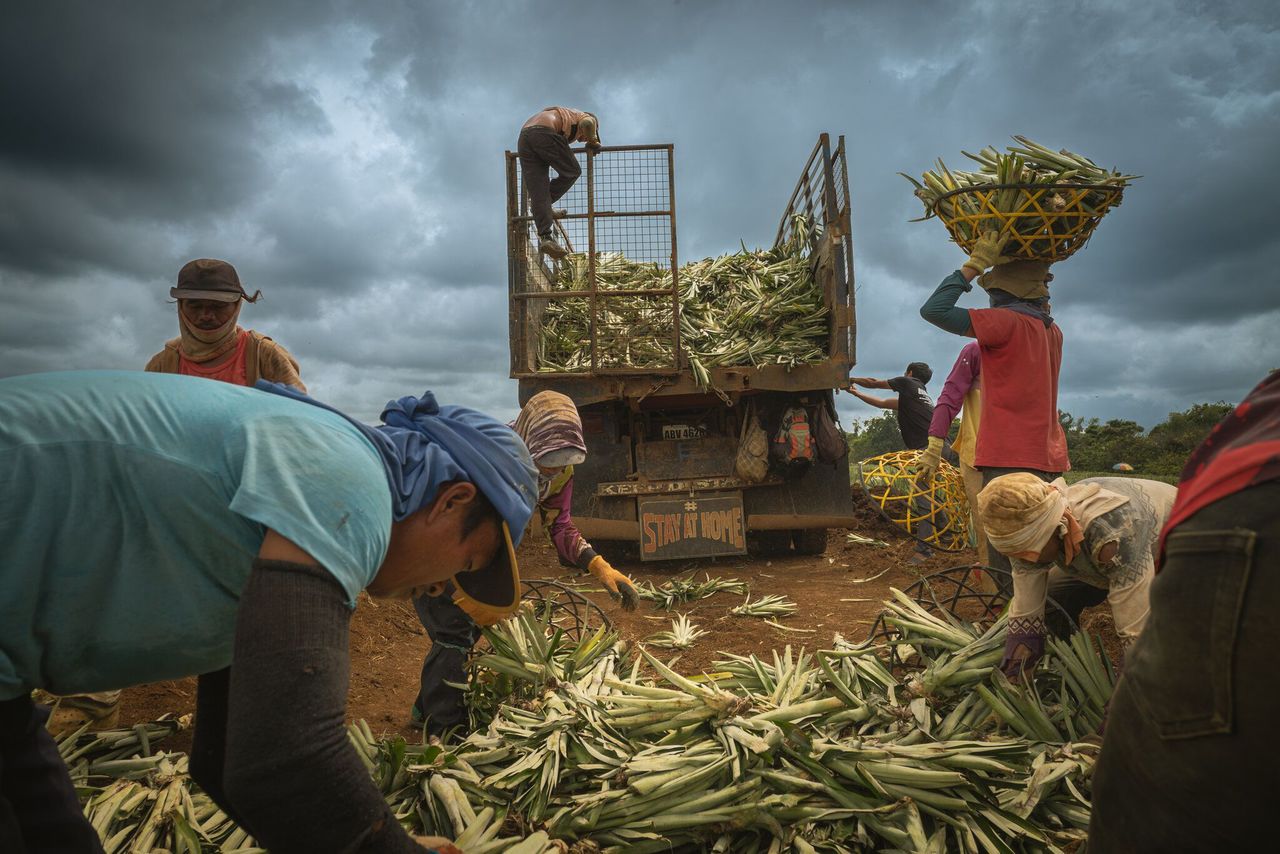
Agricultural workers often receive less than the minimum wage, while security guards may experience delays in payment.
Private healthcare workers have noted discrepancies in benefits and hazard pay compared to public sector employees.
The role of government in addressing these wage-related issues has become a focal point of debate.
President Ferdinand “Bongbong” Marcos Jr. and other policymakers have articulated concerns that substantial wage increases could potentially escalate inflation.
Conversely, proponents of higher wages argue that they are critical for enhancing productivity, increasing disposable income, and stimulating economic growth.
Analysts from IBON Foundation estimate that a proposed wage increase of P656 would only account for approximately 36% of profits for large enterprises, while medium-sized businesses would see an impact of about 29.7%.
The growing wealth among the country's wealthiest individuals, evidenced by lists tracking billionaire net worth, has fueled calls for equitable wage policies.
For small enterprises, which may struggle to absorb wage increases, proposals for government subsidies have surfaced, reminiscent of support measures during the COVID-19 pandemic.
Advocates have suggested that the government should provide greater incentives for these businesses to enhance their competitiveness.
Senate Bill 2962, currently awaiting committee approval, seeks to overhaul the regional wage system by establishing a national wage and productivity board, marking a significant shift in the wage-setting framework.
The possible approval of both the Senate’s suggested P100 and the House’s proposed P200 wage increases would represent the first legislative wage adjustment in 36 years.
Security guards, teachers, and other employees across various sectors are increasingly voicing their concerns that equal work should warrant equal compensation, regardless of geographical location.
Labor organizations are advocating for the next legislative assembly to create a standardized living wage for various professions including healthcare workers, security personnel, agricultural laborers, and factory employees.
Eli San Fernando, general-secretary of the Kamanggagawa Partylist, emphasized this sentiment during a press conference, expressing that equal effort should equate to equal pay.
Under the current wage framework in the Philippines, wages are regulated by regional wage boards, which establish minimum wages tailored to reflect both local cost of living and economic conditions.
This system, rooted in Republic Act 6727, also known as the Wage Rationalization Act of 1989, was designed to address the economic variances across regions by allowing wages to adapt based on local economic factors.
Despite this localized approach, workers from various sectors have raised concerns that the prevailing minimum wages do not sufficiently cover their families' essential needs.
Reports indicate that the gap between costs in rural and urban settings is diminishing, which raises questions about the adequacy of the current regional minimum wage system.
Rene Tadle, a nursing professor and head of the Council of Teachers and Staff of Colleges and Universities of the Philippines, highlighted the discrepancies in teacher salaries.
Most teachers earn around P12,000 per month in provinces, while urban counterparts in Metro Manila earn from P18,000 to P23,000.
Prices for basic necessities, he noted, remain relatively consistent across regions.
As the economic situation becomes increasingly strained for middle and lower-income families, some labor groups are calling for legislative wage increases and the dissolution of regional wage boards.
House Bill 11376, which proposes a P200 wage increase for private sector employees nationwide, is currently stalled in Congress after advancing to the second reading.
The economic research group IBON Foundation has projected that a family of five in the Philippines needs approximately P1,225 per day, equivalent to around P27,000 monthly, to maintain a decent standard of living.
The foundation's analysis indicates that this figure includes essential expenses such as food, housing, education, health care, and savings.
In many regions, daily living costs range from P1,000 to P1,300, with the Bangsamoro Autonomous Region in Muslim Mindanao (BARMM) needing over P2,000 per day, yet the minimum wage in that region is just P361 per day, the lowest in the nation.
Conversely, the minimum wage in Metro Manila is currently set at P645 daily, highlighting stark differences in earnings based on geography despite similar living costs.
Labor advocates argue that limited wage increases granted by regional boards have not kept pace with inflation and rising costs, prompting many workers from rural areas to migrate towards urban centers for better-paying job opportunities, thereby exacerbating regional inequalities.
Joselito Sancho, president of the Light Rail Manila Corporation Supervisory Union, identified the wage disparity as a contributing factor to increased congestion in urban areas, as more individuals seek employment in the metropolitan region.
In addition to wages, labor groups point out that various sectors face unique challenges.
Agricultural workers often receive less than the minimum wage, while security guards may experience delays in payment.
Private healthcare workers have noted discrepancies in benefits and hazard pay compared to public sector employees.
The role of government in addressing these wage-related issues has become a focal point of debate.
President Ferdinand “Bongbong” Marcos Jr. and other policymakers have articulated concerns that substantial wage increases could potentially escalate inflation.
Conversely, proponents of higher wages argue that they are critical for enhancing productivity, increasing disposable income, and stimulating economic growth.
Analysts from IBON Foundation estimate that a proposed wage increase of P656 would only account for approximately 36% of profits for large enterprises, while medium-sized businesses would see an impact of about 29.7%.
The growing wealth among the country's wealthiest individuals, evidenced by lists tracking billionaire net worth, has fueled calls for equitable wage policies.
For small enterprises, which may struggle to absorb wage increases, proposals for government subsidies have surfaced, reminiscent of support measures during the COVID-19 pandemic.
Advocates have suggested that the government should provide greater incentives for these businesses to enhance their competitiveness.
Senate Bill 2962, currently awaiting committee approval, seeks to overhaul the regional wage system by establishing a national wage and productivity board, marking a significant shift in the wage-setting framework.
The possible approval of both the Senate’s suggested P100 and the House’s proposed P200 wage increases would represent the first legislative wage adjustment in 36 years.
AI Disclaimer: An advanced artificial intelligence (AI) system generated the content of this page on its own. This innovative technology conducts extensive research from a variety of reliable sources, performs rigorous fact-checking and verification, cleans up and balances biased or manipulated content, and presents a minimal factual summary that is just enough yet essential for you to function as an informed and educated citizen. Please keep in mind, however, that this system is an evolving technology, and as a result, the article may contain accidental inaccuracies or errors. We urge you to help us improve our site by reporting any inaccuracies you find using the "Contact Us" link at the bottom of this page. Your helpful feedback helps us improve our system and deliver more precise content. When you find an article of interest here, please look for the full and extensive coverage of this topic in traditional news sources, as they are written by professional journalists that we try to support, not replace. We appreciate your understanding and assistance.